written by Ida
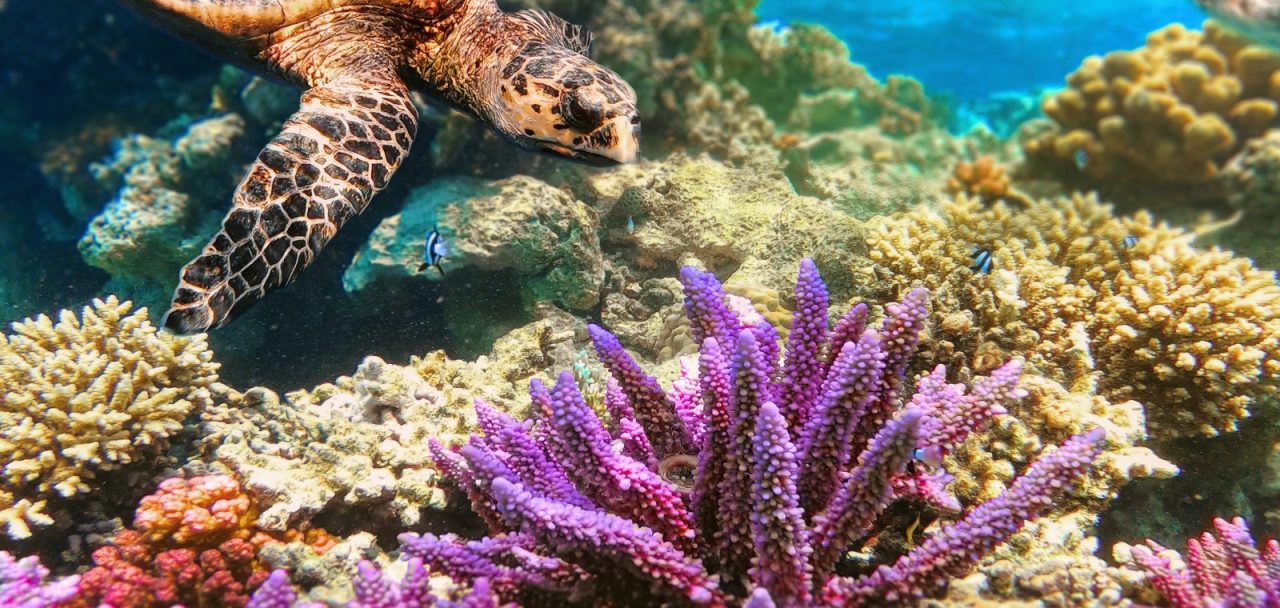
Coral reefs, often referred to as the “rainforests of the sea,” are among the most diverse and valuable ecosystems on the planet. They provide habitat for countless marine species, protect coastlines from erosion, and support economies through tourism and fisheries. However, these vital ecosystems are facing numerous threats, including climate change, pollution, and overfishing. One lesser-known threat to coral reefs is the chemicals found in sunscreen.
Sunscreen is a ubiquitous product used by millions of people worldwide to protect their skin from the harmful effects of UV radiation. However, many sunscreens contain chemicals that can be harmful to marine life, particularly coral reefs. Two of the most problematic ingredients found in sunscreen are oxybenzone and octinoxate. These chemicals have been shown to disrupt coral reproduction, damage coral DNA, and contribute to coral bleaching, a phenomenon where corals expel the symbiotic algae that give them their vibrant colors.
When people swim in the ocean wearing sunscreen, these chemicals can wash off their skin and enter the marine environment. Even small concentrations of oxybenzone and octinoxate can have significant impacts on coral health, especially in areas with high levels of tourist activity. Research has shown that popular tourist destinations with heavy sunscreen use often have lower coral diversity and abundance compared to more remote areas.
To address this threat to coral reefs, several measures can be taken:
- Use Reef-Safe Sunscreen: Look for sunscreen labeled as “reef-safe” or “oxybenzone-free.” These products use alternative UV filters that are less harmful to marine life. Ingredients such as zinc oxide and titanium dioxide provide effective sun protection without posing a risk to coral reefs.
- Choose Protective Clothing: In addition to using sunscreen, wearing protective clothing such as rash guards or swim shirts can reduce the amount of sunscreen needed and minimize direct contact with the skin, further decreasing the likelihood of chemical exposure to coral reefs.
- Spread Awareness: Educate others about the impact of sunscreen on coral reefs. Many people are unaware of this issue, so spreading awareness can help reduce the collective impact of sunscreen on marine ecosystems.
- Support Reef Conservation Efforts: Consider donating to or volunteering with organizations dedicated to coral reef conservation. These groups work to monitor coral health, restore damaged reefs, and advocate for policies to protect marine environments from harmful chemicals.
- Regulatory Measures: Advocate for regulations that restrict the use of harmful chemicals in sunscreen and promote the use of reef-safe alternatives. Several jurisdictions, including Hawaii and some Caribbean nations, have already implemented bans or restrictions on the sale of sunscreen containing oxybenzone and octinoxate in an effort to protect their coral reefs.
Preserving coral reefs requires collective action on multiple fronts, including addressing the threat posed by sunscreen. By choosing reef-safe sunscreen, spreading awareness, supporting conservation efforts, and advocating for policy changes, individuals can play a crucial role in protecting these invaluable ecosystems for future generations.